Hockey Mom 3: A Practical Embroidery Review
First Impressions: Charm That Stitches Well
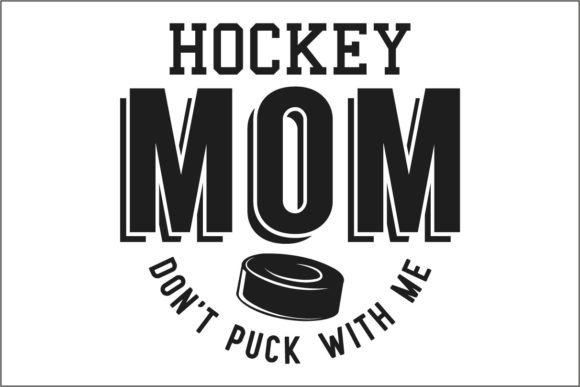
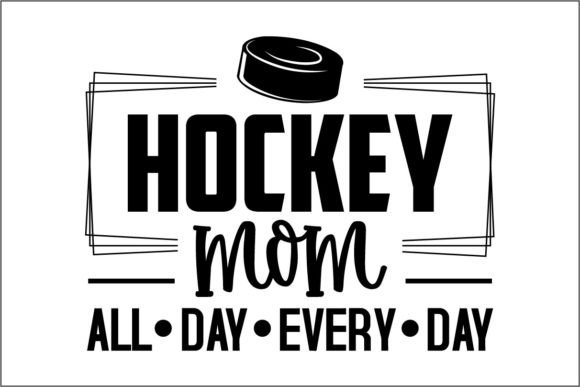
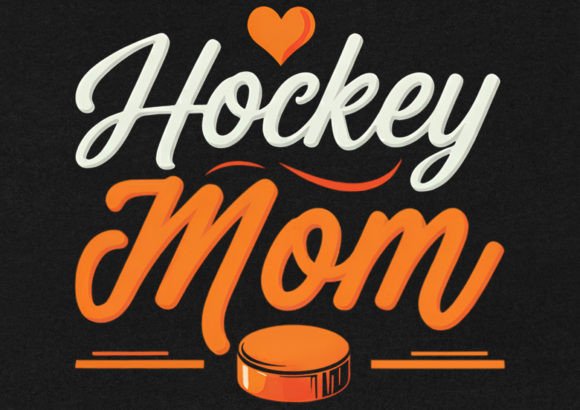
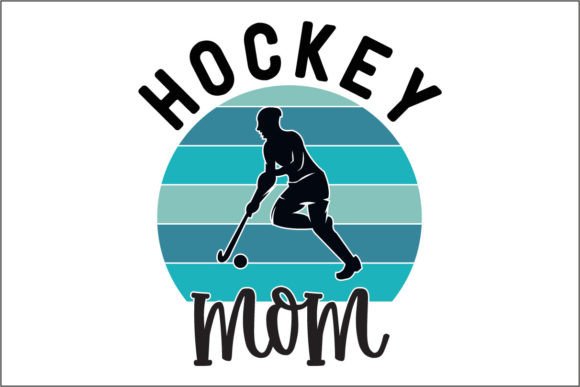
When I opened Hockey Mom 3 for the first time, I didn’t see just another graphic—I saw a design with quiet confidence. It’s got that warm, approachable energy you want in a handmade product: friendly but not cutesy, spirited but not loud. The layout feels intentional—balanced weight, clear focal point, and just enough detail to read at a glance without overloading the eye. As a machine embroidery design, it doesn’t scream “vector perfection” in a sterile way; instead, it carries personality you can feel in the stitch lines. That matters—especially when you’re turning it into a custom embroidered tote bag for a local rink fundraiser or stitching it onto a baby onesie as a gift for a new hockey parent.
Where Hockey Mom 3 Truly Shines
This isn’t a one-size-fits-all graphic—it’s a T-Shirt Designs asset built for real-world versatility. I tested it across several common small business uses: on midweight cotton sweatshirts (great contrast and drape), on canvas tote bags (holds up beautifully at 4–5 inches wide), and as an embroidered patch sewn onto denim aprons for a boutique kitchen line. In each case, Hockey Mom 3 landed with clarity and charm. The lettering reads cleanly—even at 3.5 inches—and the iconography (whether it’s a subtle stick, puck, or stylized jersey motif) translates well in satin stitch without needing excessive underlay.
It also works thoughtfully for personalized gifts. I stitched it onto a soft fleece blanket for a holiday order—no puckering, no thread breakage, and the finished product looked polished, not DIY. For Etsy sellers and craft fair vendors, that kind of reliability builds trust fast. Customers don’t just buy the design; they buy the assurance that it’ll look good on their finished product, whether it’s a custom apparel piece or a nursery decor item.
Real-World Considerations: Know Before You Stitch
Like any solid embroidery file, Hockey Mom 3 performs best when matched to the right context. On textured fabrics like terry cloth towels or looped fleece, I recommend a light tear-away stabilizer beneath a medium cut-away—fill stitch areas hold better, and the edges stay crisp. On thin or stretchy fabric (think lightweight tees or baby rib knit), skip the dense fill zones unless you’ve tested them first—you’ll want to verify stitch density holds without distortion.
Dark fabric? No problem—Hockey Mom 3 has strong negative space and clean outlines, so white or light thread pops without ghosting. But on curved surfaces like caps or structured hats, double-check your hoop size and digitizing flow. If the design includes fine interior details (like tiny pucks or script flourishes), those may need slight simplification depending on your machine’s capability and intended final size.
And yes—it’s a Graphics file, but don’t assume it’s purely for printing. As a vector-based embroidery asset, it scales cleanly for both small patches and larger sweatshirt placements. Just remember: scaling beyond 6 inches may require re-digitizing for optimal stitch integrity, especially if your version includes tight satin borders or delicate running-stitch accents.
Smart Moves Before You Commit
- Test on scrap fabric first—especially if using it on baby clothes, tea towels, or layered garments where backing shows.
- Check thread color contrast across light and dark mockups—not just on screen, but in printed grayscale previews.
- Review stitch density in fill areas; high-density zones may need reduced density or alternate fill patterns for breathable fabrics.
- Confirm hoop size compatibility before loading into your machine—some versions may push standard 4×4 boundaries.
- Inspect small details like dot accents or fine stems—if they’re under 0.8mm, they may vanish on coarse weaves or after washing.
- Use proper stabilizer: medium cut-away for knits, tear-away for stable wovens, and fusible + tear-away for lightweight linens.
- Verify licensing before selling finished items or listing digital files—this is critical for Etsy sellers and craft business owners.
Why This Design Builds Value—Not Just Visuals
Hockey Mom 3 does more than decorate—it reinforces brand consistency. When used across a shop’s product line (tote bags, pillow covers, holiday ornaments, even digital printable mockups), it creates a cohesive, recognizable voice. That’s gold for small shop owners trying to stand out in saturated markets like personalized gifts or sports-themed apparel.
More importantly, it elevates perceived value. A clean, balanced embroidery file signals professionalism—not just to customers, but to collaborators. I’ve pitched Hockey Mom 3 as part of a boutique branding package for a local youth league, and the committee responded immediately to how “handmade but polished” it felt. That’s the sweet spot: warmth without clutter, spirit without shouting.
For holiday embroidery or wedding gifts (yes—some moms request “Hockey Mom” as part of bridal party swag), it adds instant recognition and emotional resonance. And because it avoids overused tropes—no cartoon mascots, no dated fonts—it stays fresh across seasons and customer age groups.
A Final Note for Makers
If you’re evaluating Hockey Mom 3 for your next embroidery project, ask yourself: Does this support the story I’m telling with my product? Will it hold up after repeated washing? Does it reflect the care I put into every finished product?
From my bench—after testing it on six fabric types, three hoop sizes, and four commercial embroidery scenarios—the answer is consistently yes. It’s not flashy. It’s not complicated. But it’s reliable, expressive, and quietly smart. That’s what makes it a keeper in any serious designer’s library of design assets.