The COOL MOM ELF T-SHIRT
First Impressions: Playful, Punchy, and Perfectly Sized for Real-Life Stitching
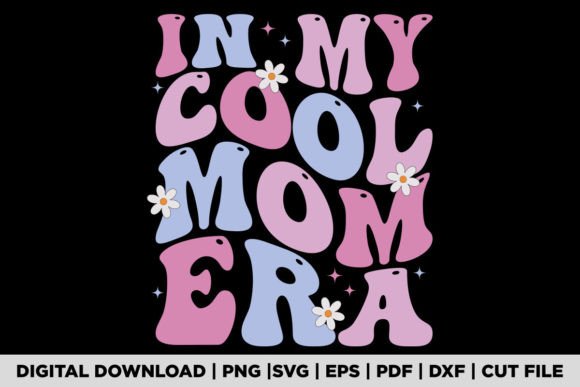
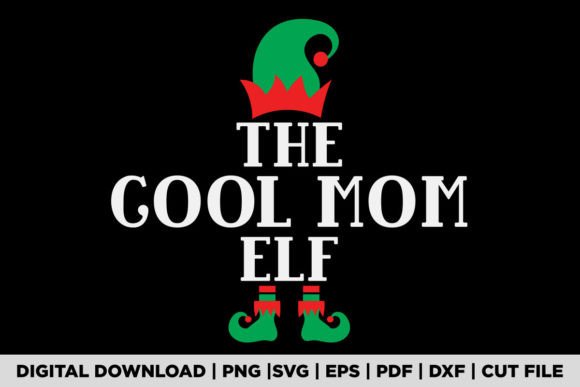
Opening the ZIP folder for The COOL MOM ELF T-SHIRT, I immediately scanned the PNG preview — 4500×5400 at 300 dpi means crisp detail even when zoomed in. The design features a cheeky elf character with oversized ears, a tilted hat, and bold “COOL MOM” lettering wrapped around a festive yet modern silhouette. It’s not overly ornate, but it’s got personality: clean lines, balanced negative space, and a visual weight that reads well at 4–6 inches wide — ideal for chest placement on tees, totes, or aprons. As a designer who regularly translates digital graphics into stitched reality, my first thought wasn’t “cute!” — it was “this will stitch cleanly.”
A Real-World Test: Embroidering It on a Linen-Cotton Kitchen Towel
Last week, I used The COOL MOM ELF T-SHIRT as the centerpiece for a set of holiday kitchen towels destined for a local boutique. I chose a medium-weight linen-cotton blend — textured but stable — and paired it with tear-away stabilizer and 40-weight polyester thread. The result? Crisp satin-stitched outlines, smooth fill-stitched areas (especially the elf’s coat and hat), and legible lettering without thread piling or distortion. Customers loved the handmade charm, and several asked if it came in a “DAD” or “GRANDMA” version — a strong signal this design has commercial legs beyond its title.
Where It Shines — And Where to Pause Before Pressing Start
The COOL MOM ELF T-SHIRT works beautifully on:
- Custom apparel: Especially crewneck tees, relaxed-fit sweatshirts, and lightweight hoodies — the proportions hold up even on slightly curved surfaces.
- Tote bag design: Centered on canvas or denim, it reads clearly from across a craft fair booth.
- Baby embroidery: When scaled down to ~3.5", it becomes an adorable onesie or burp cloth motif — just avoid dense fill stitches near seams where flexibility matters.
- Holiday embroidery: Paired with red/green or navy/gold thread, it fits seamlessly into seasonal collections without feeling dated.
- Embroidered patch: With proper backing and satin-stitch borders, it converts cleanly to an iron-on or sew-on patch for jackets or backpacks.
But here’s where attention matters:
- Small hoop sizes: At full size (~5.5"), it needs at least a 6"×10" hoop. Don’t force it into a 4" circle — corners will clip, and letter spacing may compress unnaturally.
- Stretchy fabric: On jersey or ribbed knits, use cut-away stabilizer and baste first. The elf’s pointed ears and narrow letters can distort without firm support.
- Dark fabric: That bold white outline in the PNG suggests high contrast — but test your thread colors on black or charcoal fabric first. Some light-toned fills may fade visually without underlay or denser stitch settings.
- Curved surfaces like caps: The horizontal layout isn’t cap-optimized. If adapting for headwear, rotate 90° and simplify inner details — those tiny snowflakes near the brim won’t resolve cleanly on a curved bill.
- Frequent-wash items: For baby clothes or kitchen towels, double-check stitch density in the PDF or SVG. Overly dense fills trap moisture and wear faster. A light running-stitch outline + moderate fill is safer than heavy satin coverage.
What This Design Says About Your Brand — Before a Single Thread Is Cut
When customers see The COOL MOM ELF T-SHIRT on your Etsy listing or boutique shelf, they’re not just buying a graphic — they’re buying tone, timing, and trust. Its confident whimsy signals approachability and craftsmanship. It doesn’t try to be everything; it owns its niche: lighthearted, mom-centered, holiday-adjacent, and gift-ready. For small shop owners, that clarity builds brand consistency. For crafters selling personalized gifts, it invites customization — swap thread colors, add names, pair it with coordinating embroidery motifs (like tiny mittens or candy canes), and you’ve got a scalable product line.
Practical Designer Notes You’ll Want to Follow
Before stitching your first The COOL MOM ELF T-SHIRT project:
- Test on scrap fabric — especially if using textured weaves, knits, or blends. Linen, terry cloth, and fleece behave very differently under needle and thread.
- Check thread color contrast in both natural and artificial light. What pops on screen may mute on fabric.
- Review stitch density in your embroidery software. If the file lacks density metadata (and it likely does, given only PNG/SVG/EPS/DXF/PDF are included), assume moderate fill and adjust based on fabric weight.
- Confirm hoop size compatibility — measure the design’s bounding box before loading. Don’t guess.
- Inspect small details at 200% zoom: the elf’s smile, the “O” in “COOL”, and hat trim should all convert to clean satin or fill stitches — not jagged running-stitch approximations.
- Mock it up in black and white first. If it loses impact without color, simplify or re-outline key shapes.
- Compare light vs. dark backgrounds using printable mockups — this helps choose thread palettes that maximize readability and warmth.
- Use proper stabilizer — tear-away for stable wovens, cut-away for knits, and fusible for lightweight silks or rayons.
- Verify licensing before selling finished products or reselling the digital embroidery file. The description doesn’t state usage rights — always confirm before launching on Etsy or wholesale.
Final Thought: A Reliable, Ready-to-Stitch Asset — Not Just Another Graphic
The COOL MOM ELF T-SHIRT isn’t flashy tech or ultra-detailed artistry — and that’s its strength. As a machine embroidery design, it balances charm with stitchability. As a digital embroidery file, it gives you flexibility across formats (SVG for cutting machines, EPS for vector scaling, DXF for CAD workflows). As a T-Shirt Designs asset, it’s versatile enough for apparel, home goods, and gifts — but focused enough to feel intentional. Whether you’re prepping for a holiday craft fair, building a small shop product line, or creating a heartfelt personalized gift, this design earns its place in your active folder. Just remember: great embroidery starts long before the needle drops — it starts with knowing what your files *actually* do when stitched, not just how they look on screen.