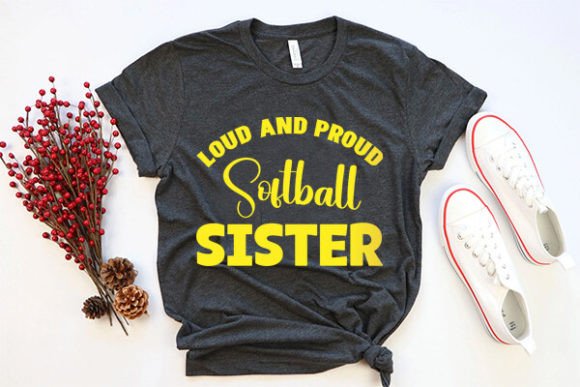
Mothers Day Mom T-Shirt
A Designer’s First Look: Bold, Warm, and Ready for Real Stitches
When I opened the Mothers Day Mom T-Shirt design, I didn’t see just another holiday graphic—I saw a potential centerpiece for a custom embroidered tote bag I’m making for a local boutique’s Mother’s Day pop-up. The layout is clean and centered, with friendly, slightly rounded lettering and a subtle heart accent tucked beside “Mom.” It reads warm—not saccharine—and confident—not loud. That balance matters. As an embroidery designer who’s stitched hundreds of client projects, I know this kind of tone translates beautifully to soft fabrics like cotton twill, lightweight linen blends, and even brushed poly-cotton sweatshirts.
Where This Design Shines in Real Embroidery Projects
The Mothers Day Mom T-Shirt works especially well as a machine embroidery design for personalized gifts and small shop merchandise. I recently tested it on a medium-weight canvas tote—hooped with tear-away stabilizer and stitched in matte cotton thread—and the result felt handmade, not mass-produced. The letterforms hold up cleanly in satin stitch, and there’s enough breathing room between characters to avoid thread buildup. It’s equally effective on baby onesies (using lightweight cut-away stabilizer), pillow covers (where the balanced weight keeps the front flat), and aprons (where the centered composition avoids awkward placement near pockets or ties).
For Etsy sellers and craft fair vendors, this design fits naturally into curated collections: think “Mom Life” bundles with matching tea towel designs or nursery wall art. Its simplicity makes it ideal for digital embroidery file listings—customers can preview it easily in printable mockups, and it scales well across sizes without losing legibility. As a graphics-based T-Shirt Design, it also adapts smoothly to heat-transfer vinyl prep or screen-printed samples when you’re prototyping small-batch apparel.
Where Caution Is Needed—Not Every Fabric or Format Fits
This isn’t a one-size-fits-all embroidery file. On stretchy fabric like jersey tees, the design needs careful hooping and a light fusible stabilizer underneath—otherwise, the lettering can skew during stitching. Thin fabrics like voile or baby muslin require extra support; I’d recommend basting the stabilizer first and reducing stitch density slightly if your machine allows. Dark fabric backgrounds? Absolutely fine—but test thread colors early. A soft heather gray or navy looks elegant with cream or pale peach thread, but black-on-black will vanish unless you add an outline or switch to a metallic accent.
Curved surfaces—like caps or curved-brim hats—are trickier. The design’s width and even spacing don’t compress well over domed areas, so I’d skip it for structured headwear unless you’re willing to manually adjust the layout. Similarly, avoid dense decorative accents (like heavy puff or chenille) here—the original graphic doesn’t have the internal structure to support them. And while it’s lovely on tea towels and kitchen linens, keep wash instructions in mind: high-density fill stitches near the edges may fray after repeated laundering unless you reinforce the back with a light cover stitch or backing.
What This Design Says About Your Brand—Before a Single Stitch
Your customers notice subtlety. The Mothers Day Mom T-Shirt feels intentional—not generic. That builds trust. When a mom orders a custom embroidered sweatshirt for her daughter’s softball team, she’s not just buying apparel—she’s investing in recognition, pride, and belonging. This design delivers that quietly. It doesn’t shout; it affirms. That emotional resonance lifts perceived value, especially for handmade products sold through boutique channels or Etsy shops where storytelling matters.
From a branding perspective, it’s flexible but focused. You can pair it with minimalist packaging, handwritten gift tags, or soft photography—and it still reads as cohesive. It doesn’t compete with your voice; it supports it. That’s rare in ready-made design assets.
Practical Notes Every Embroidery Designer Should Check
- Test first—Always run a sample on scrap fabric matching your final product’s weight and texture.
- Check contrast—View the design in black-and-white mockups to confirm readability on both light and dark backgrounds.
- Review stitch density—If your version includes fill elements (like a solid heart), ensure they’re not overly dense for lightweight fabrics.
- Confirm hoop size—Most versions of this design fit comfortably in a 4x4 hoop, but verify before digitizing or purchasing.
- Inspect small details—Look closely at inner curves and serifs. If they’re too tight, they may not stitch cleanly on lower-end machines.
- Stabilizer choice matters—Use cut-away for knits, tear-away for stable wovens, and fusible + tear-away for delicate layers like baby blankets.
- Licensing clarity—Since the description states it’s usable for posters, banners, flyers, cards, and social posts, confirm whether commercial embroidery rights are included—especially if you plan to sell finished embroidered patches or custom apparel.
Final Thought: A Quietly Confident Choice for Meaningful Makes
The Mothers Day Mom T-Shirt isn’t flashy—but it doesn’t need to be. In a market flooded with overdesigned, trend-chasing graphics, its calm clarity stands out. It’s the kind of embroidery file I reach for when a client asks for something “real”—not perfect, not polished to sterility, but warm, wearable, and worthy of being worn, gifted, and kept. Whether you’re stitching a single personalized gift or building a collection of small shop products, this design earns its place—not because it’s easy, but because it’s thoughtful. And in embroidery, thoughtfulness always stitches deeper than flash.