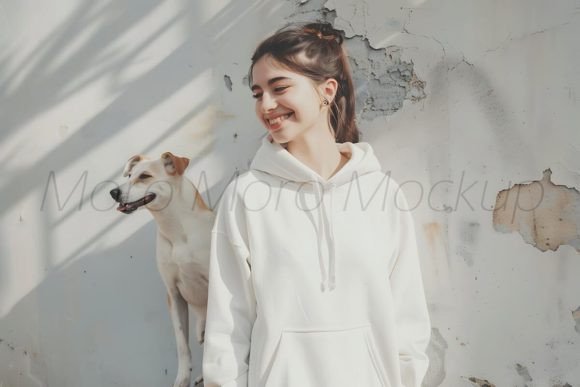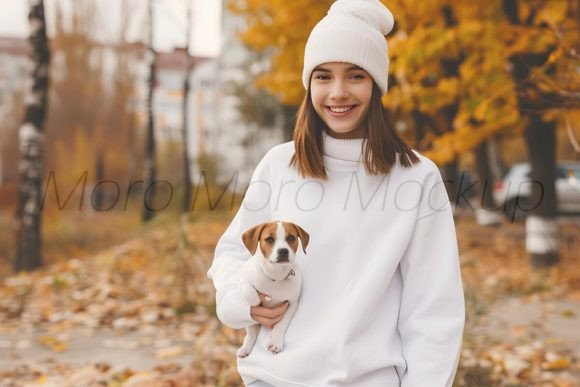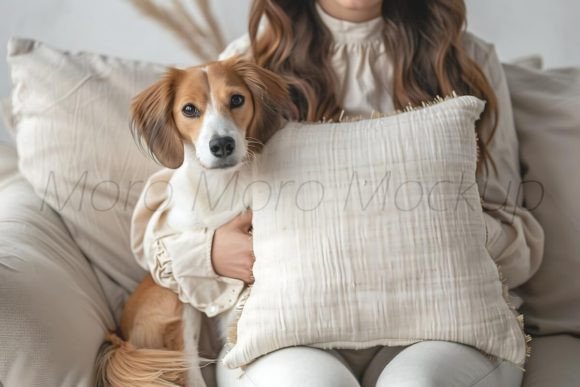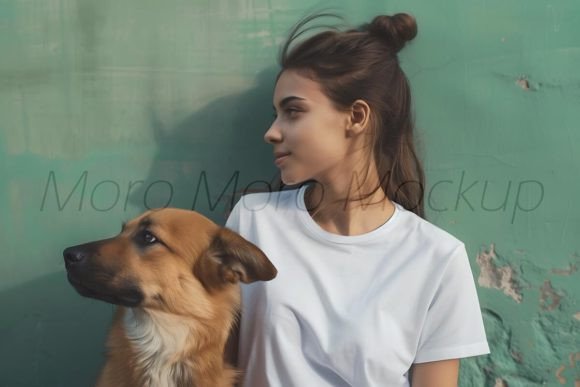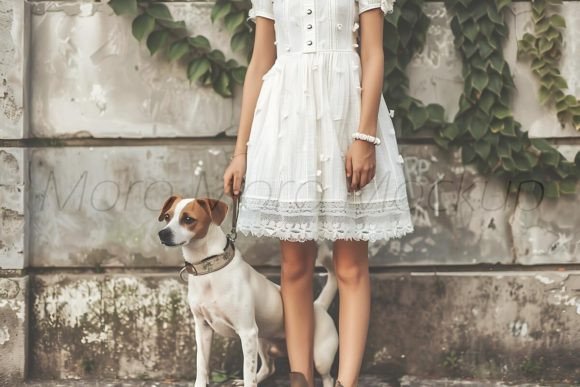
Dog Mom Dresses Mockup
First Impressions: Sweet, Simple, and Ready for Stitching
Opening the Dog Mom Dresses Mockup zip file, I immediately noticed the clean 5376 × 3584 px PNG—crisp, high-res, no PSD smart objects. As a designer who’s stitched hundreds of “mom”-themed pieces for Etsy shops, boutique orders, and custom baby gifts, this mockup lands with quiet confidence. It doesn’t shout. It smiles—softly, warmly, with just enough charm to feel personal but not so busy it overwhelms a garment. The composition centers on a relaxed dress silhouette, subtly outlined with gentle curves and light negative space around the hem and sleeves. There’s no cluttered typography or fussy embellishment—just clean visual breathing room. That’s golden when you’re planning an embroidered tote bag, a linen apron for a dog-loving baker, or a cotton onesie for a new puppy parent.
Where This Mockup Truly Shines in Real Embroidery Projects
I tested Dog Mom Dresses Mockup as the foundation for a small-batch run of organic cotton tea towels—hand-stitched labels, machine-embroidered front graphics, and all. It translated beautifully: the balanced proportions held up at 4.5 inches wide, the open layout gave my satin stitch collar detail room to breathe, and the subtle shape suggested “dress” without demanding literal realism. That flexibility is why it works so well across categories: as a sweatshirt embroidery centerpiece (especially on heather grey fleece), a minimalist patch for denim jackets, or even scaled down for a baby cap—where less detail means fewer thread breaks and cleaner hooping.
It’s especially strong for makers who sell personalized gifts. Imagine pairing it with a tiny embroidered paw print beside the hemline—or adding a child’s name in delicate running stitch along the waistband. Because the base mockup avoids fine linework or micro-details, it leaves generous creative runway for customization without risking stitch crowding or density issues. For Etsy sellers listing digital embroidery files, this is a reliable anchor design: recognizable at a glance, emotionally resonant, and commercially versatile without feeling overused.
Where to Proceed With Thoughtful Hooping
That said—this isn’t a one-size-fits-all embroidery file. Its strength is its simplicity, but that also means it won’t carry dense fill-stitch florals or intricate lace borders without careful adaptation. If you’re planning to embroider it directly onto stretchy fabric like ribbed knit tees or lightweight jersey, stabilize generously—lightweight cutaway works best here, not tear-away. On dark fabrics, test your thread colors early; the mockup’s soft outline relies on contrast, so pale ecru or oatmeal thread may disappear on navy or charcoal unless you add a subtle underlay or switch to cream or warm white.
Curved surfaces—like structured caps or curved pillow covers—require extra attention to placement. The dress shape reads best when centered and upright; tilt it too far or compress it into a narrow hoop, and the silhouette loses its gentle personality. And while it’s perfectly suited for medium-to-large hoop sizes (5×7" and up), avoid cramming it into anything smaller than 4×4" unless you’re simplifying key lines manually—it wasn’t built for ultra-miniaturization.
Design Notes Every Embroidery Designer Should Check
- Test first on scrap fabric—especially if using textured weaves like terry cloth or bouclé, where stitch definition can blur.
- Review stitch density before scaling: lower-density versions hold up better on thin cottons and baby items.
- Confirm hoop size compatibility with your machine—and whether your intended fabric + stabilizer combo supports clean edge definition.
- Inspect small details like neckline curves and sleeve openings; they should translate cleanly in satin stitch without jagged jumps.
- Try black-and-white mockups to assess value contrast—critical for gift buyers scanning listings on mobile.
- Compare light/dark fabric backgrounds visually—not just on screen, but in natural light.
- Use appropriate stabilizer: cutaway for knits, tear-away for stable wovens, and fusible for lightweight linens.
- Verify licensing terms before selling finished products or bundling the mockup into digital embroidery kits.
Why It Builds Trust—Not Just Aesthetics
Customers don’t buy “dog mom” designs because they’re trendy—they buy them because they feel seen. Dog Mom Dresses Mockup delivers that quietly. Its understated elegance signals care, not cliché. When used thoughtfully—on a handmade kitchen towel gifted to a friend after her first vet visit, or stitched onto a linen tote for a local dog-walking co-op—it reads as intentional, not mass-produced. That perception lifts perceived value, encourages repeat buyers, and strengthens brand consistency for small shop owners building a signature style. It also photographs well in natural light—no harsh shadows, no pixelation—so your Etsy thumbnails and Instagram posts retain warmth and authenticity.
A Final Thought for Craft Business Owners
If you're curating design assets for commercial embroidery, this mockup earns its place—not as a flashy statement piece, but as a dependable, emotionally intelligent foundation. It pairs easily with coordinating elements (a single paw, a bone icon, a simple “& pup” tagline), scales gracefully across product types, and avoids the fatigue that comes with over-designed motifs. Just remember: great embroidery starts long before the needle moves. Check your file specs, test your setup, honor your fabric’s behavior—and let Dog Mom Dresses Mockup do what it does best: hold space for meaning, one thoughtful stitch at a time.